
K4 Analysis Reveals Rising Property Values Are Driving Full-Scale Home Renovations Across Dubai’s Prime Communities
K4, the UAE-based design and build company, has revealed that rising residential property values are changing how homeowners approach renovation in Dubai, with increased investment in interiors, building systems and lifestyle spaces as owners look to bring existing properties in line with their current market value and long-term use.
The shift comes amid continued growth in Dubai’s property market. Dubai recorded AED 252 billion in real estate transactions in Q1 2026, up 31% year on year, while real estate investment reached AED 173 billion, an increase of 22%, according to market data analysed by K4. The company’s latest market analysis points to a growing trend of homeowners viewing renovation as a strategic investment rather than a cosmetic exercise.
The effect is particularly visible in parts of the prime residential market. Average apartment prices on Palm Jumeirah rose 31% year on year in Q3 2025, while villa capital values in Jumeirah Islands increased 17.9% annually in June 2026.
As property values continue to rise, renovation is increasingly moving beyond decoration. K4’s analysis indicates homeowners are commissioning more comprehensive projects spanning layouts, mechanical and electrical systems, façades, landscaping, kitchens, bathrooms, bespoke joinery and smart home infrastructure, rather than treating these as isolated improvements.
The age of Dubai’s housing stock is contributing to that shift. In several established villa communities, properties completed more than a decade ago are now changing hands at considerably higher values, while their original layouts, kitchens, bathrooms, and technical systems can require modernisation to meet current buyer expectations.
Where homeowners are investing
The shift is also changing where renovation budgets are being allocated.
Kitchens and back-of-house areas are attracting some of the largest allocations, with demand for show kitchens supported by preparation kitchens, pantries, integrated appliances and specialist storage. Master suites and bathrooms are another priority, with larger dressing areas, natural stone and more considered bathroom layouts increasingly forming part of renovation briefs.
Living, dining and entrance areas remain important, but spending is increasingly extending to parts of the home that are less immediately visible. Air-conditioning, lighting control, acoustics, security and smart-home systems are being considered earlier in the renovation process as homeowners place greater emphasis on how the property performs, rather than focusing solely on its appearance.
Outdoor areas are also taking a larger share of attention. Pools, terraces, landscaping and outdoor kitchens are increasingly being planned as an extension of the interior, while home offices, cinemas, gyms, wellness rooms and flexible spaces are becoming more common within residential briefs.
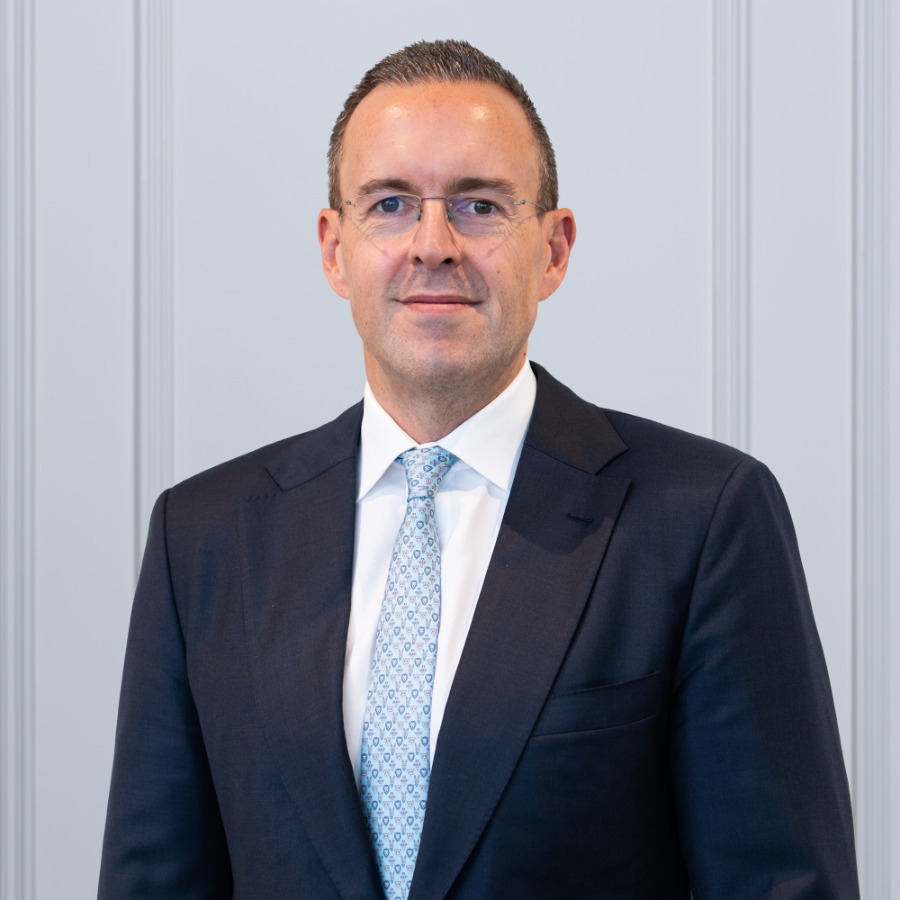
Joakim Kihlstrom, CEO of K4, said: “The conversation around renovation has changed considerably. Homeowners are still interested in how a property looks, but there is much more attention now on how it functions. Kitchens, air-conditioning, lighting, storage, technology and outdoor areas are increasingly being looked at together rather than as individual upgrades.
“Property values also play an important role. When the underlying asset has appreciated significantly, particularly in an established community, owners have a stronger reason to invest in improvements that will work for them over the longer term rather than make a series of short-term cosmetic changes.”
Five communities show how renovation demand is changing
The reasons homeowners are renovating, however, are not uniform across Dubai.
Based on an analysis of its recent and ongoing residential activity, K4 has identified five communities where different drivers of renovation demand are particularly evident: Palm Jumeirah, Jumeirah Golf Estates, Jumeirah Islands, Emirates Hills, and Dubai Hills Estate.
On Palm Jumeirah, rising secondary-market values are contributing to more comprehensive renovation. Buyers acquiring older villas, penthouses and large apartments can find a gap between the value and location of the property and the condition of its existing interiors and technical systems.
This is leading to renovation scopes that extend from layouts and kitchens to MEP systems, glazing, smart-home infrastructure, pools, and landscaping. The community’s 31% annual increase in average apartment prices in Q3 2025 provides further context for the level of investment being made into existing homes.
In Jumeirah Golf Estates, the driver is more closely connected to long-term family occupation. Homeowners are adapting villas around how they expect to live in them over several years, with larger kitchens, offices, upgraded bathrooms and entertainment spaces being planned alongside gardens, pools, terraces and outdoor dining areas.
Jumeirah Islands is seeing another dynamic. K4’s analysis points to one of the most notable increases in renovation interest here, as limited villa supply and rising values coincide with an ageing stock of homes requiring architectural and technical modernisation. Villa capital values increased 17.9% year on year in June 2026.
Renovations in the community are therefore frequently addressing more fundamental aspects of the property, including layouts, extensions, façades, ageing MEP systems, pools and landscaping.
In Emirates Hills, renovation activity is lower in volume but larger in individual scale. The size of the properties means work can involve structural changes, specialist engineering, MEP and landscaping alongside changes to family, guest and staff areas. Privacy, security and back-of-house functionality are also significant considerations in these homes.
The pattern is different again in Dubai Hills Estate, where comparatively newer housing stock is creating demand for post-handover personalisation rather than the extensive modernisation associated with older communities.
Owners are adapting developer-delivered homes through kitchen improvements, bespoke joinery and storage, lighting, smart-home systems, pools, landscaping and selective layout changes. Demand is coming from both owner-occupiers personalising properties around their lifestyles and investors seeking to differentiate homes in the rental and resale markets.
From property purchase to long-term investment
The changing profile of buyers is also influencing the market. Within K4’s current activity, homeowners and end-users preparing properties for long-term residence represent the strongest source of demand by value, while existing residents upgrading older homes remain an important segment, particularly across Palm Jumeirah, Jumeirah Golf Estates and Jumeirah Islands.
Investors remain active but are approaching renovation differently, with greater emphasis on project duration, broadly appealing specifications and improvements that can differentiate a property when it returns to the rental or resale market.
Kihlstrom added: “The reason someone renovates a home on Palm Jumeirah can be very different from the reason someone does the same in Dubai Hills. One may be bringing an older property up to the level expected of a high-value secondary-market asset, while the other may simply want to personalise a recently completed home.
“What connects them is that buyers are thinking more carefully about the property after the transaction. The purchase itself is increasingly only the first part of the investment.”
The pattern points to a residential renovation market being shaped less by a single design trend and more by property appreciation, the age of Dubai’s housing stock and the growing number of buyers adapting homes around long-term occupation.
 Zoya Developments Achieves Landmark Sell-Out Of Elinor Project In Under Two Weeks
Previous
Zoya Developments Achieves Landmark Sell-Out Of Elinor Project In Under Two Weeks
Previous
 Dubai’s Luxury Property Market Shows Depth Of Investor Confidence
Next
Dubai’s Luxury Property Market Shows Depth Of Investor Confidence
Next