
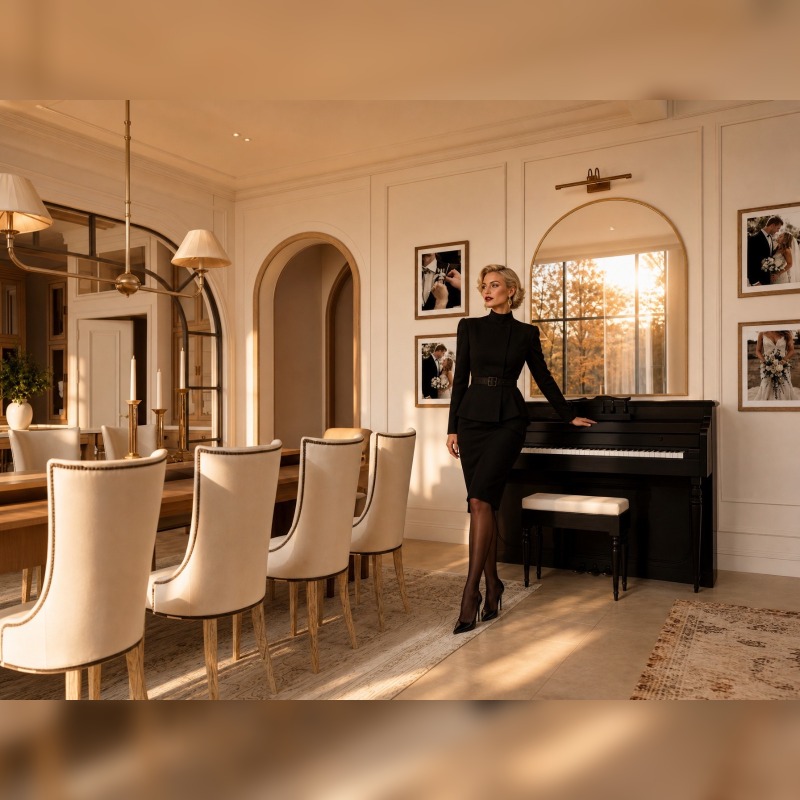
Dubai’s Wealthiest Homeowners Are Investing Millions To Reinvent Their Villas Rather Than Move
Dubai’s luxury residential market has become synonymous with record-breaking property transactions, soaring values and an influx of international wealth. But beyond the record-breaking sales, another trend is reshaping Dubai’s most prestigious neighbourhoods.
Rather than searching for a new home, an increasing number of affluent homeowners are choosing to completely reinvent the ones they already own.
According to Dubai-based multidisciplinary design consultancy Imperium Group, demand for luxury villa renovations has increased by an estimated 35 to 50 per cent over the past five years, driven by homeowners investing millions of dirhams to transform existing properties into bespoke residences tailored to their lifestyles.
The shift reflects a broader evolution in Dubai’s luxury property market. Increasingly, buyers are securing villas in established communities such as Emirates Hills, Palm Jumeirah, Dubai Hills Estate, District One and Al Barari before undertaking extensive renovations that often rival the scale of new builds.
Imperium estimates that approximately half of its current luxury residential clients purchase villas with renovation already planned, while homeowners are typically investing between 10 and 25 per cent of the property’s purchase price into renovation works. For large-scale transformations involving structural reconfiguration, bespoke interiors, upgraded building systems and extensive landscaping, that figure can exceed 30 per cent, with individual renovation budgets reaching as much as AED20 million.
“Luxury homeowners today aren’t simply upgrading finishes or refreshing interiors,” said Karim Karam, Founder of Imperium Group. “We’re seeing clients rethink almost every aspect of a property. They are buying exceptional locations and then creating homes that are entirely their own. In many cases, renovation has become part of the acquisition strategy itself, allowing owners to secure prime addresses while designing spaces around the way they want to live, rather than compromising on an existing layout.”
The consultancy has observed a clear shift in the scope of renovation projects. What were once cosmetic upgrades have evolved into comprehensive transformations involving architectural redesign, structural modifications, complete MEP replacement, bespoke joinery, integrated smart home technology, wellness facilities, show kitchens, service kitchens and extensive landscape redesign.
Imperium’s own portfolio reflects the scale of this trend. Over the past three years, the company has delivered approximately 30 to 40 luxury renovation projects, ranging from targeted interior upgrades valued at around AED 700,000 to complete villa transformations exceeding AED 20 million. One of the firm’s largest projects involved the full redevelopment of a villa in Emirates Hills, including architectural, structural, interior, landscape and smart home upgrades over an 18 to 24-month programme.
The trend is being fuelled by a combination of factors, including the limited availability of prime plots, rising property values, changing family requirements and a growing preference for highly personalised homes that reflect individual lifestyles. Rather than relocating when their needs change, many homeowners are choosing to unlock the full potential of properties in Dubai’s most established communities.
“Five years ago, clients were often looking for a house that matched their requirements,” added Karam. “Today, they’re looking for the right address. They know that if the location is exceptional, almost everything else can be redesigned. That’s changing the role renovation plays within Dubai’s luxury residential market and reflects a market that’s becoming increasingly mature, design-conscious and focused on long-term ownership.”
As Dubai continues to strengthen its position as one of the world’s leading luxury residential destinations, Imperium expects demand for large-scale villa renovations to continue rising, as affluent homeowners increasingly view transformation as an investment in both lifestyle and long-term asset value.